
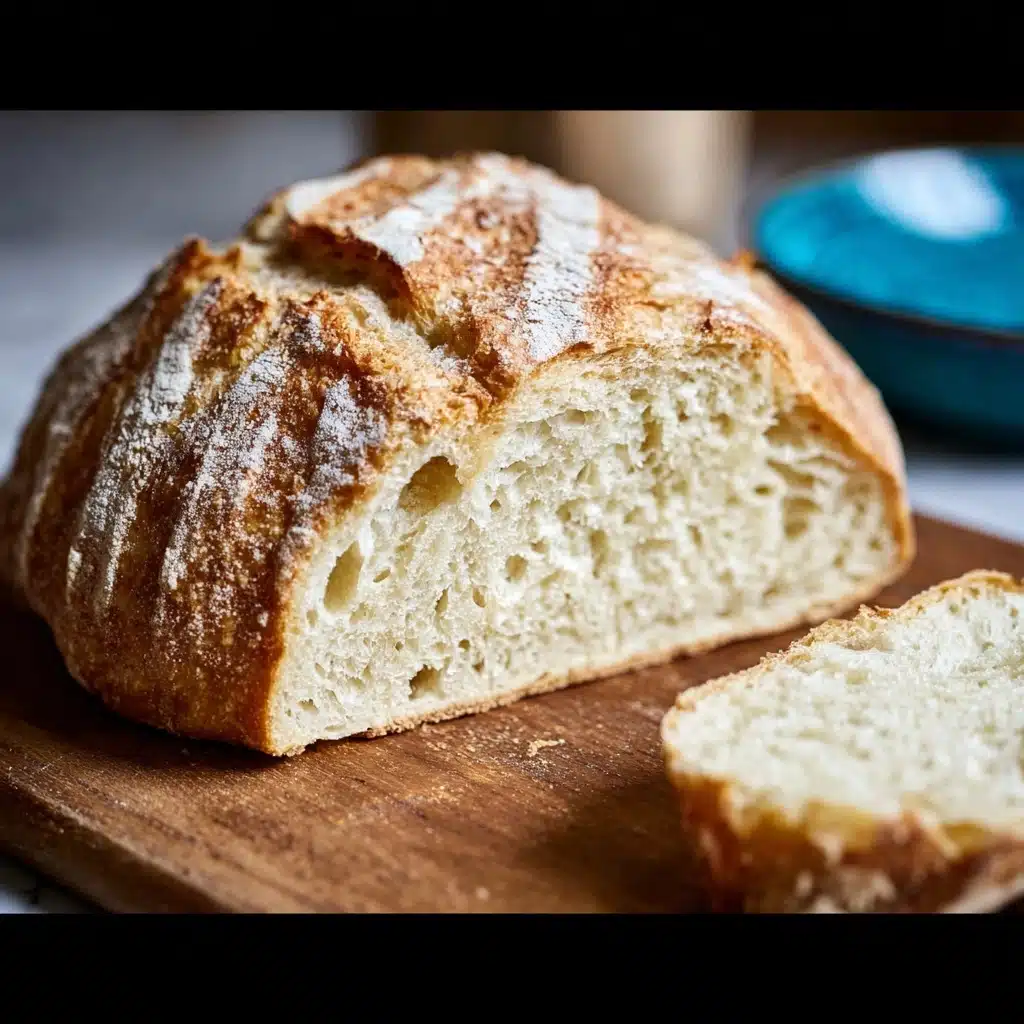
If you have ever craved that perfect crusty goodness with a soft, airy inside, you absolutely must try this Artisan Bread recipe. This Artisan Bread brings together simple, wholesome ingredients that transform into a loaf bursting with flavor, texture, and character. Trust me, once you bake this beautiful bread yourself, you will appreciate the joy and pride that comes with creating something so delicious right at home. It’s like having a bakery masterpiece fresh out of your own oven!
Ingredients You’ll Need
For this Artisan Bread, the ingredients are straightforward but incredibly important. Each one plays a vital role in creating the texture, rise, and flavor of the bread, making this recipe both simple and satisfying to prepare.
- Bread flour: Using 3 ½ cups provides the ideal protein content essential for that chewy, robust crumb.
- Instant yeast: 2 ¼ teaspoons activate the rising process quickly and reliably without the fuss.
- Granulated sugar: A tablespoon is optional but helps gently feed the yeast, aiding fermentation and flavor development.
- Salt: 1 ½ teaspoons is crucial for balancing the flavors and enhancing the crust’s taste.
- Warm water (115°F/46°C): 1 ½ cups hydrates the dough perfectly, providing the environment yeast needs to wake up.
How to Make Artisan Bread
Step 1: Mix Your Dry Ingredients
Start by whisking together the bread flour, instant yeast, granulated sugar, and salt in a large mixing bowl. This ensures everything is evenly distributed before adding water, setting the stage for a perfectly balanced dough right from the start.
Step 2: Add Water and Stir
Pour in the warm water and stir until all the ingredients come together into a sticky dough. It’s okay if the dough feels tacky; that’s exactly what you want for a bread with such an open crumb and crunchy crust.
Step 3: Let the Dough Rise
Cover your bowl with plastic wrap and place it somewhere warm to rise until it doubles in size, typically 2 to 3 hours. If you prefer, you can skip the first rise and refrigerate overnight—this slow fermentation enhances the flavor and makes the dough easier to handle.
Step 4: Shape Your Dough
Once risen, turn the dough out onto a generously floured surface and gently form it into a round ball. If it’s too sticky, sprinkle a little more flour as you work to keep it manageable without toughening the loaf.
Step 5: Stretch and Fold
This is a neat technique that helps develop the dough’s strength and structure. Stretch the dough from top to bottom like the hands of a clock, fold it over, turn 90 degrees, and repeat. Do this four times total—the process gives your bread that rustic appeal and fantastic texture.
Step 6: Rest and Prepare for Baking
Shape the dough into a smooth ball again, place it on parchment paper, and cover with plastic wrap. Let it rest for 30 minutes while your oven preheats to 450°F (230°C) with a Dutch oven inside to heat up. This preheated pot will replicate the effects of a professional bread oven by trapping steam and heat beautifully.
Step 7: Score and Bake
After resting, carefully remove the hot Dutch oven, score the top of your dough to help it expand during baking, then lift the dough by the parchment paper and lower it inside the pot. Cover it and bake for 30 minutes with the lid on, followed by 10 minutes uncovered to create that irresistible crust.
Step 8: Cool Before Slicing
Allow the bread to cool inside the Dutch oven for 10 minutes before transferring it to a rack. Cooling completely is critical to finish setting the crumb, preventing a gummy texture when you slice into your Artisan Bread.
How to Serve Artisan Bread
Garnishes
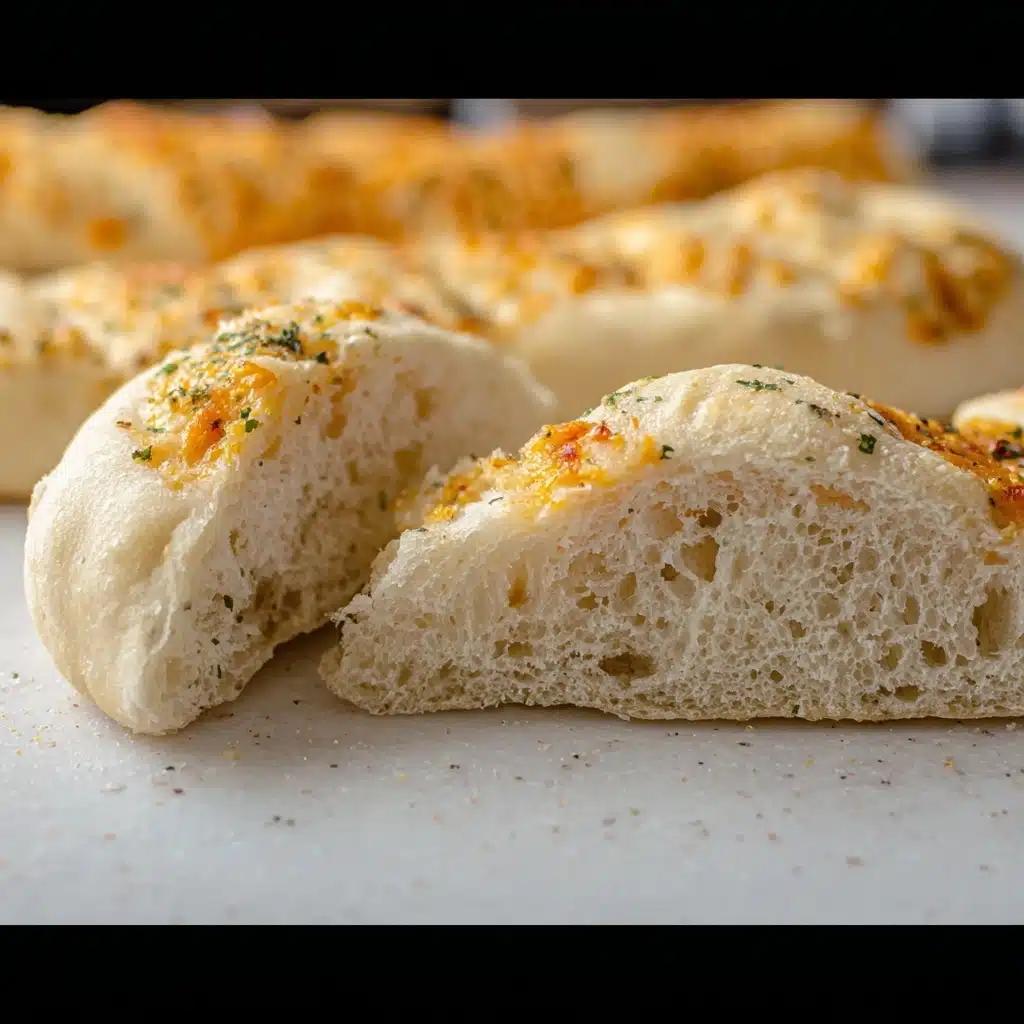
Simple is best here—a sprinkle of flaky sea salt or a brush with melted garlic butter will complement the natural flavors beautifully. Fresh herbs such as rosemary or thyme can also add an inviting aroma and elevated taste.
Side Dishes
This bread pairs incredibly well with warm, comforting soups like tomato basil or creamy potato leek, and it’s perfect alongside a fresh salad or a selection of cheeses. The chewy texture and crunchy crust make every bite a delightful companion to your main.
Creative Ways to Present
For a casual gathering, slice the Artisan Bread thick and serve it with a board of dips like hummus, olive tapenade, or flavored olive oils. You can also hollow out the loaf to create a stunning bread bowl—ideal for soups or dips at your next get-together.
Make Ahead and Storage
Storing Leftovers
Keep your leftover Artisan Bread in a paper bag at room temperature—it helps maintain the crust’s crispness while preventing the inside from drying out. Avoid plastic bags which can trap moisture and make the crust soggy.
Freezing
If you want to enjoy your Artisan Bread later, slice it and freeze wrapped tightly in plastic wrap and aluminum foil. This way, you can thaw just the amount you need, keeping the rest fresh for weeks.
Reheating
To revive the bread’s crisp crust and warm crumb, pop slices in a toaster or warm the whole loaf wrapped in foil in a 350°F (175°C) oven for 10-15 minutes. It will taste freshly baked all over again!
FAQs
Can I use all-purpose flour instead of bread flour?
All-purpose flour works in a pinch but may produce a softer crust and denser crumb because it has less protein. For authentic Artisan Bread texture, bread flour is best.
Do I have to use a Dutch oven?
A Dutch oven is terrific for creating the steam needed to develop the crust, but if you don’t have one, place a pan of hot water on the oven floor to add steam, or try baking on a preheated baking stone with a tent of foil.
Is the sugar necessary in this recipe?
The sugar is optional but helps jump-start the yeast fermentation. Omitting it may lead to a slower rise but will still produce a tasty loaf.
Can I make this bread without kneading?
This recipe is designed to require minimal kneading, making it beginner-friendly. The stretch and fold technique replaces traditional kneading to build gluten gently.
How do I know when the bread is fully baked?
Using an instant-read thermometer is the most reliable way: aim for an internal temperature between 195°F and 200°F (90°C to 93°C) to ensure your Artisan Bread is perfectly baked inside.
Final Thoughts
Baking this Artisan Bread is such a rewarding experience that fills your home with irresistible aromas and results in a loaf you’ll be proud to show off. Whether you’re a seasoned baker or just starting out, this recipe proves that you don’t need fancy ingredients or equipment to make bread that tastes like it belongs in a bakery. Go ahead, give it a try, and savor the joy of fresh homemade Artisan Bread!
Print
Artisan Bread Recipe
- Total Time: 3 hours 5 minutes
- Yield: 1 loaf
- Diet: Vegetarian
Description
This Artisan Bread recipe yields a rustic, crusty loaf with a chewy interior, perfect for sandwiches or to enjoy with butter. It uses simple ingredients and a no-knead technique that requires minimal hands-on time, making it accessible for home bakers. The dough is slow-risen to develop flavor and then baked in a preheated Dutch oven for a perfect crust.
Ingredients
Dry Ingredients
- 3 ½ cups bread flour (plus more if needed)
- 2 ¼ teaspoons instant yeast
- 1 Tablespoon granulated sugar (optional)
- 1 ½ teaspoons salt
Wet Ingredients
- 1 ½ cups warm water (115°F / 46°C)
Instructions
- Mix Dry Ingredients: In a large mixing bowl, whisk together the bread flour, instant yeast, sugar (if using), and salt until well combined.
- Add Water and Combine: Pour in the warm water and stir with a spoon or spatula until a sticky dough forms, ensuring all dry ingredients are incorporated.
- First Rise: Cover the bowl tightly with plastic wrap and place it in a warm spot to rise until doubled in size, about 2-3 hours. Alternatively, cover and refrigerate overnight without an initial rise.
- Shape the Dough: Once risen, transfer the dough onto a generously floured surface. Form it into a ball with your hands. Add extra flour if the dough is too sticky to handle but try to keep it minimal.
- Stretch and Fold: Grasp the dough at the top and stretch it over the bottom (12 o’clock to 6 o’clock), then turn 90 degrees and repeat. Do this stretch and fold motion four times in total to develop gluten structure.
- Form Ball and Rest: Shape the dough back into a round ball, place it on a large piece of parchment paper (large enough to lift the dough later), and cover lightly with plastic wrap.
- Preheat Oven and Dutch Oven: Let the dough rest for 30 minutes while preheating your oven to 450°F (230°C). Place a 4-quart Dutch oven with its lid inside on the middle rack to preheat alongside.
- Bake the Bread – Part 1: Carefully remove the hot Dutch oven from the oven. Score the top of the dough with a sharp knife or razor blade down the middle. Remove the lid and gently transfer the dough with the parchment paper into the Dutch oven. Cover with the lid and return it to the oven.
- Bake the Bread – Part 2: Bake for 30 minutes with the lid on to trap steam, then remove the lid and bake another 10 minutes to brown and crisp the crust. Use an instant-read thermometer to check the internal temperature; the bread is done at 195-200°F (90-93°C).
- Cool Before Slicing: Remove the Dutch oven from the oven and let the bread cool inside for 10 minutes. Then, lift the loaf using the parchment paper and transfer it to a wire rack to cool completely before slicing to avoid a gummy interior.
Notes
- The sugar is optional and helps activate the yeast for a slightly sweeter crust.
- If the dough is too sticky to handle, use just enough flour to form a ball to avoid a dense loaf.
- You can refrigerate the dough overnight for better flavor development and flexibility in baking schedule.
- Preheating the Dutch oven is crucial for creating steam and developing a crispy crust.
- Allow the bread to cool completely to ensure proper crumb texture; slicing too soon can result in gummy bread.
- An instant-read thermometer is the best way to ensure the bread is fully baked inside.
- Prep Time: 15 minutes
- Cook Time: 40 minutes
- Category: Bread
- Method: Baking
- Cuisine: Western
Nutrition
- Serving Size: 1 slice (1/8 loaf)
- Calories: 150
- Sugar: 1 g
- Sodium: 230 mg
- Fat: 1 g
- Saturated Fat: 0.2 g
- Unsaturated Fat: 0.3 g
- Trans Fat: 0 g
- Carbohydrates: 30 g
- Fiber: 2 g
- Protein: 5 g
- Cholesterol: 0 mg


