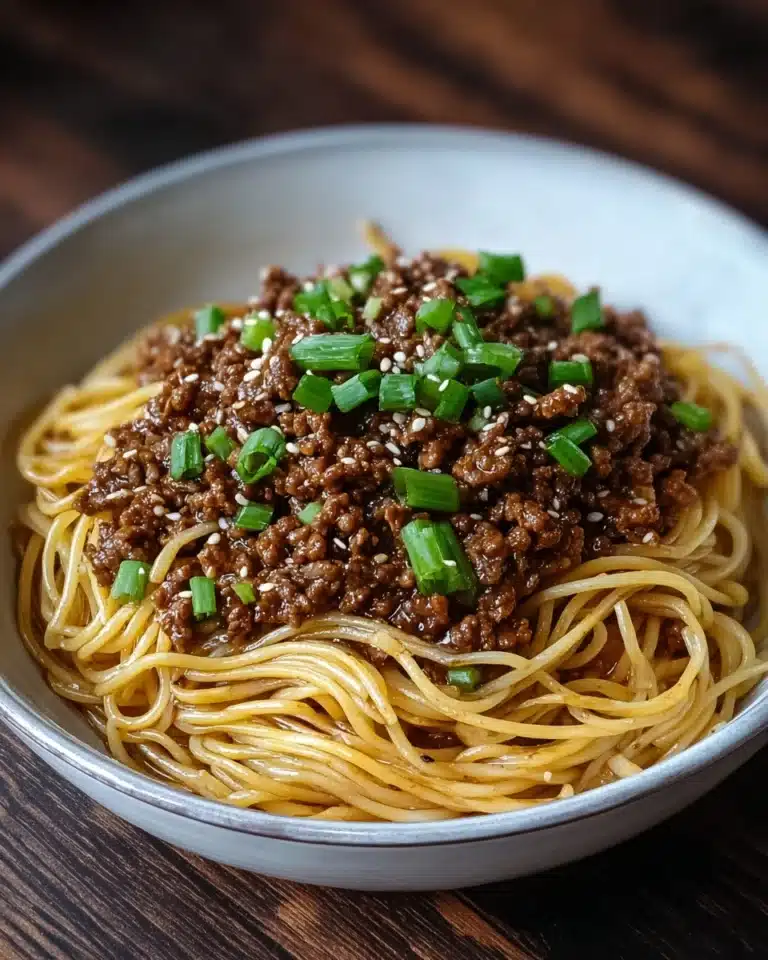
If you’ve been craving a quick and flavorful meal that packs the authentic taste of Korean cuisine without the fuss, let me introduce you to the Ground Beef Bulgogi (25 Minute Korean Beef Bowl) Recipe. This dish brings together savory, slightly sweet, and spicy notes in perfect harmony, all cooked up in just one pan and ready to enjoy in less time than your usual dinner rush. It’s the kind of recipe that feels like a warm hug after a long day, delivering robust flavors and satisfying textures with minimal effort. Plus, it’s incredibly versatile – whether spooned over fluffy rice, wrapped in crisp lettuce, or tucked inside soft buns, this beef bulgogi never disappoints.
Ingredients You’ll Need

These ingredients are straightforward but essential to capture the vibrant flavors and comforting textures of this easy Korean dish. Each element plays a starring role in making this meal authentic and irresistible.
- Avocado or sesame oil: Adds a nutty richness and helps create that perfect sear on the beef and vegetables.
- Onion, diced: Brings a subtle sweetness and depth once softened.
- Red pepper, diced: Offers a fresh crunch and vibrant color for visual appeal.
- Lean ground beef (85% lean): The hearty protein base that absorbs all the spectacular bulgogi flavors.
- Carrots, grated (optional): Adds a mild sweetness and lovely texture contrast without overpowering the dish.
- Sliced green onion: Lends an oniony freshness that brightens every bite.
- Sesame seeds: A little nutty garnish to elevate each serving with crunch and aroma.
- Minced ginger and garlic: Build spicy warmth and aromatic complexity in the sauce.
- Coconut sugar or brown sugar: Balances savory flavors with a smooth touch of sweetness.
- Reduced sodium soy sauce or tamari: Provides that essential umami backbone and saltiness without overwhelming.
- Sesame oil: Infuses a toasted nutty note, key to authentic Korean flavor profiles.
- Gochujang: Korean chili paste that brings a mild heat and deep fermented flavor – adjust to your spice preference.
- Mirin or cooking wine/sherry substitute: Adds a slightly sweet acidity to round out the sauce beautifully.
- Rice wine vinegar: Enhances brightness and balances the sauce’s rich elements.
How to Make Ground Beef Bulgogi (25 Minute Korean Beef Bowl) Recipe
Step 1: Prepare the Sauce
Start by whisking together the minced ginger, garlic, coconut sugar, soy sauce, sesame oil, gochujang, mirin, and rice wine vinegar in a bowl. This sauce is the magic that transforms simple ground beef into bulgogi bliss, layering complex sweet, salty, spicy, and umami flavors that will saturate every bite.
Step 2: Sauté the Vegetables
Heat avocado or sesame oil in a large skillet over medium-high heat. Toss in the diced onion and red pepper, sautéing for 3 to 4 minutes until they begin to soften and lightly caramelize. This creates a sweet and fragrant base, setting the stage for the beef.
Step 3: Brown the Ground Beef
Add the ground beef to the skillet, breaking it apart with a spatula. Cook until it’s fully browned and nicely seared. Browning the beef develops those rich, savory flavors essential to the dish’s mouthwatering taste.
Step 4: Combine and Simmer
Stir in the grated carrots if using, followed by the prepared sauce. Allow everything to cook together for an additional 2 to 3 minutes, stirring often so the sauce coats every morsel of beef and vegetable evenly. This brief simmer melds the ingredients and thickens the sauce slightly for a glossy finish.
Step 5: Finish and Garnish
Remove the pan from heat, then fold in the sliced green onions for a burst of freshness. Sprinkle generously with sesame seeds, and your Ground Beef Bulgogi (25 Minute Korean Beef Bowl) Recipe is ready to be served up!
How to Serve Ground Beef Bulgogi (25 Minute Korean Beef Bowl) Recipe

Garnishes
Sprinkle chopped green onions and toasted sesame seeds over the bowl for that classic bulgogi touch. For extra flair, add a few fresh cilantro leaves or thinly sliced chili peppers if you like heat. These finishing touches brighten the dish and add layers of texture.
Side Dishes
This bulgogi bowl pairs beautifully with steamed white or brown rice, but it also complements cauliflower rice for a low-carb option. Traditional Korean sides like kimchi, pickled cucumbers, or a simple seaweed salad bring out contrasting flavors that balance the richness of the beef. Feel free to serve with crunchy lettuce leaves for wrapping or alongside crispy roasted vegetables.
Creative Ways to Present
If you’re hosting or want a fun twist, serve the bulgogi ground beef in Korean-style lettuce wraps with extra sauce and fresh herbs on the side. Or stuff the savory beef into soft bao buns or even tacos for an Asian fusion spin. No matter how you present it, this dish is always a crowd-pleaser that invites everyone to dig in and enjoy.
Make Ahead and Storage
Storing Leftovers
You can store any leftover Ground Beef Bulgogi (25 Minute Korean Beef Bowl) Recipe in an airtight container in the refrigerator for up to 3 days. The flavors actually deepen overnight, making it perfect for next-day lunches or a quick dinner.
Freezing
This dish freezes very well if you want to keep a batch on hand. Place cooled bulgogi in freezer-safe containers or bags and freeze for up to 2 months. Thaw overnight in the fridge to maintain the best texture and flavor.
Reheating
Reheat leftovers gently in a skillet over medium heat, adding a splash of water or broth if it looks dry to loosen the sauce. You can also microwave it covered in a microwave-safe dish, stirring halfway through to ensure even warmth. Fresh garnishes after reheating bring it back to life.
FAQs
Can I use ground chicken or turkey instead of beef?
Absolutely! Ground chicken or turkey can be great lean alternatives, though beef’s richness really shines in bulgogi. Just be mindful that the cooking time might be slightly shorter since poultry cooks faster.
Is this recipe gluten-free?
Yes, as long as you use tamari or a gluten-free soy sauce alternative. Also, double-check that the gochujang you use doesn’t contain wheat if you have a gluten sensitivity.
How spicy is the Ground Beef Bulgogi (25 Minute Korean Beef Bowl) Recipe?
The spice level is moderate, thanks to the gochujang, which provides a mild, smoky heat. You can easily adjust it by adding more or less gochujang depending on your preference.
Can I make this recipe vegan or vegetarian?
While this recipe relies on ground beef for its signature flavor, you can substitute with crumbled tofu, tempeh, or plant-based ground meat alternatives. Just keep the same sauce, and you’ll have a delicious vegan-friendly bulgogi experience.
What’s the best way to serve this dish for meal prep?
Layer your Ground Beef Bulgogi (25 Minute Korean Beef Bowl) over cooked rice or quinoa in airtight containers, keeping garnishes separate until mealtime. This keeps the veggies crisp and flavors fresh throughout the week.
Final Thoughts
This Ground Beef Bulgogi (25 Minute Korean Beef Bowl) Recipe is a shining example of how delicious, authentic Korean flavors can come together quickly and easily at home. Its rich, comforting taste combined with speedy preparation means you’ll want to make it again and again. Give it a try, and soon it will become your go-to meal on busy weeknights and a fabulous way to impress family and friends with Korean BBQ done right!
Print
Ground Beef Bulgogi (25 Minute Korean Beef Bowl) Recipe
- Total Time: 25 minutes
- Yield: 6 servings
- Diet: Gluten Free, Low Lactose
Description
This Ground Beef Bulgogi recipe brings authentic Korean BBQ flavors to your kitchen in just 25 minutes. Using lean ground beef cooked with a savory and slightly sweet sauce made from soy, garlic, ginger, and gochujang, it offers a perfect balance of umami and spice. This versatile dish is delicious served over steamed rice, in lettuce wraps, or even stuffed inside buns for a satisfying meal.
Ingredients
Main Ingredients
- 1 Tbsp. avocado or sesame oil
- 1 onion, diced
- 1 red pepper, diced
- 2 lbs. lean ground beef (85% lean)
- 2 carrots, grated (optional)
- 1/3 cup sliced green onion
- 2 tsp. sesame seeds
Sauce
- 2 tsp. minced ginger
- 1 Tbsp. minced garlic
- 1/3 cup packed coconut sugar or brown sugar
- 1/2 cup reduced sodium soy sauce or tamari
- 1 tsp. sesame oil
- 2 Tbsp. gochujang (add more for spicier flavor)
- 2 Tbsp. mirin (can substitute with cooking wine or sherry)
- 1 Tbsp. rice wine vinegar
Instructions
- Prepare the sauce: In a medium-sized bowl, combine minced ginger, garlic, coconut sugar, reduced sodium soy sauce or tamari, sesame oil, gochujang, mirin, and rice wine vinegar. Whisk thoroughly until the sauce is well blended. Set aside to let the flavors meld.
- Sauté vegetables: Heat avocado or sesame oil in a large skillet over medium-high heat. Once warm, add the diced red pepper and onion. Sauté for 3 to 4 minutes until they begin to sear and soften slightly.
- Cook the beef: Add the lean ground beef to the skillet with the sautéed vegetables. Brown the ground beef by breaking it into small pieces with a spatula as it cooks to ensure even cooking.
- Add carrots and sauce: When the beef is fully browned, stir in the grated carrots if using. Pour the prepared sauce into the skillet and mix well. Let it cook together for another 2 to 3 minutes to allow the sauce to thicken slightly and coat the beef evenly.
- Finish and serve: Remove the skillet from heat. Stir in the sliced green onions gently and sprinkle the sesame seeds on top. Serve hot over freshly steamed rice, cauliflower rice, in tacos with kimchee, wrapped in lettuce cups, or in fluffy buns according to your preference.
Notes
- You can adjust the spiciness by adding more or less gochujang depending on your taste preference.
- If you prefer, substitute mirin with a dry cooking wine or sherry for a similar flavor profile.
- Grated carrots are optional but add a nice crunch and sweetness to balance the savory beef.
- Use tamari for a gluten-free version of soy sauce.
- To make this recipe dairy-free, ensure no butter is used and rely on oils like avocado or sesame.
- Prep Time: 10 minutes
- Cook Time: 15 minutes
- Category: Main Dish
- Method: Stovetop
- Cuisine: Korean